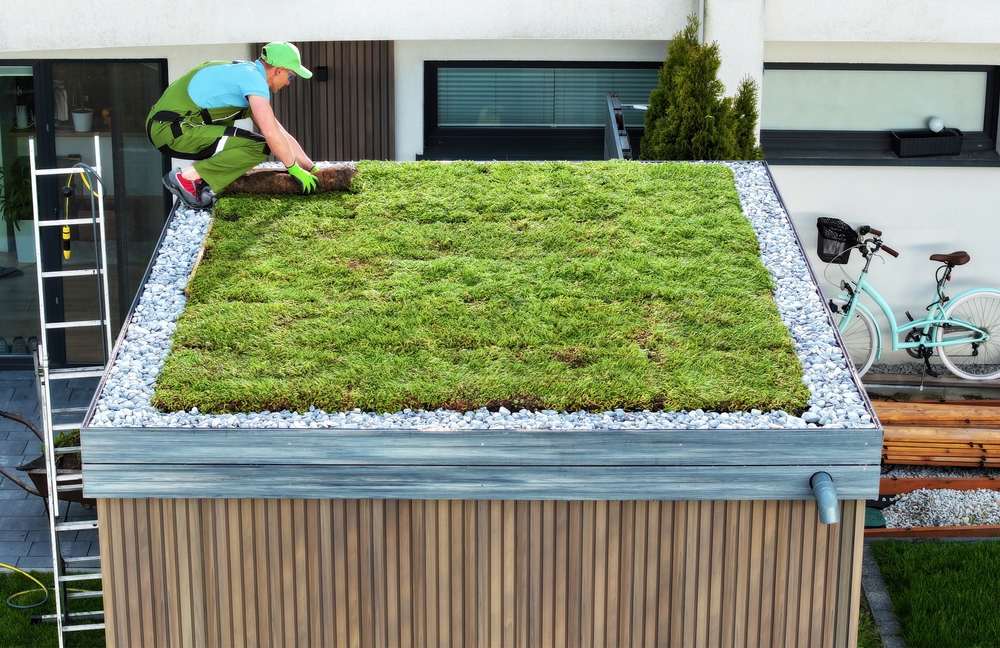
Green roofs have grown in popularity among constructions owing to their ability to increase energy efficiency, minimize rainfall runoff, and provide aesthetically pleasing garden spaces. They are viewed by many as an eco-friendly roofing solution. Nevertheless, despite the advantages associated with green roofs, there are a number of crucial disadvantages associated with green roofs that need to be noted.
At Dexters Build Ltd, we feel that property owners need to be well aware of the benefits and disadvantages of green roofs before investing in such an idea.
What Is a Green Roof?
A green roof is a system where the roof of a structure is at least partially or entirely covered with grass, moss, plants, and soil above a water-resistant barrier.
The green roof can be placed on:
- Residential structures
- Commercial buildings
- Flat-roof additions
- Garages and office buildings
While providing environmental and aesthetic advantages, a green roof may not be the most appropriate choice for all kinds of buildings.
The Biggest Disadvantage of a Green Roof
One of the major drawbacks of having a green roof is that it is very costly to install and maintain.
As compared to normal roofing systems, a green roof needs several protective layers such as:
- Waterproof membrane
- Drainage system
- Root barrier system
- Vegetation and growing medium
- Irrigation system in some cases
Due to such elaborate installation procedures, green roofs are always much more expensive to construct than traditional materials like felt, tiles, or EPDM rubber roofing.
Other than the initial costs, periodic maintenance is also very important for maintaining the roof’s performance.
Extra Weight on the Structure
Green roofs are far heavier compared to ordinary roofs due to the presence of soil, plants, and stored water.
Certain old buildings might lack the necessary structural capacity to support the added weight. When such cases arise, it is important that additional structures are put up prior to the installation process.
Ongoing Maintenance Requirements
Many people assume green roofs are maintenance-free, but this is not true.
Green roofs require regular upkeep, including:
- Removing weeds
- Watering plants during dry weather
- Cleaning drainage outlets
- Replacing damaged vegetation
- Inspecting waterproof layers
Without proper maintenance, the roof can quickly develop drainage problems or vegetation damage.
At Dexters Build Ltd, we often advise customers to consider long-term maintenance responsibilities before choosing a green roof system.
Risk of Water Leaks
Waterproofing is one of the most important parts of a green roof.
If the waterproof membrane fails or becomes damaged, leaks can be difficult and expensive to identify because the roof surface is hidden beneath soil and plants. In some cases, sections of the roof may need to be removed to locate the problem.
Poor installation or neglected maintenance can lead to:
- Water damage
- Mold growth
- Interior damp problems
- Structural deterioration
Choosing experienced roofing professionals greatly reduces these risks.
Higher Repair Costs
Repairs on green roofs are generally more expensive than repairs on traditional roofs.
Unlike standard roofing systems, contractors often need to remove layers of vegetation, soil, and drainage materials before accessing the damaged area. This increases labor time and repair costs.
For many homeowners, traditional roofing systems remain the more affordable and practical option.
Climate and Weather Challenges
Green roofs may struggle in extreme weather conditions.
For example:
- Heavy rainfall can overwhelm drainage systems
- Hot weather can dry out vegetation
- Frost and freezing temperatures may damage sensitive plants
Selecting suitable plants and ensuring proper drainage design are both critical for long-term performance.
This is why many property owners still rely on experienced flat roof specialists in Bedfordshire for advice on the most suitable roofing solution for their property.
Are Green Roofs Worth It?
Despite their disadvantages, green roofs can still provide long-term environmental and energy-saving benefits when professionally installed and maintained.
Potential advantages include:
- Better insulation
- Reduced energy bills
- Improved rainwater management
- Attractive appearance
- Increased biodiversity
However, they are not always the best solution for every property or budget.
Professional Roofing Advice
Before installing a green roof, property owners should consider:
- Structural strength
- Installation costs
- Maintenance requirements
- Weather conditions
- Long-term property goals
At Dexters Build Ltd, we provide expert roofing services, roof repairs, flat roofing solutions, and professional advice across Bedfordshire and surrounding areas. Our experienced team helps homeowners choose durable and cost-effective roofing systems tailored to their needs.
Frequently Asked Questions
Are green roofs expensive?
Yes, green roofs are generally more expensive than traditional roofs because of the additional waterproofing, drainage, and structural requirements.
Do green roofs need maintenance?
Yes, regular maintenance is essential to keep plants healthy and prevent drainage or waterproofing problems.
Can any roof support a green roof?
No, some roofs may require structural reinforcement due to the additional weight of soil and vegetation.
Are green roofs environmentally friendly?
Yes, green roofs can help improve air quality, reduce rainwater runoff, and improve insulation.
How long can a green roof last?
With proper installation and maintenance, a green roof can last for several decades.