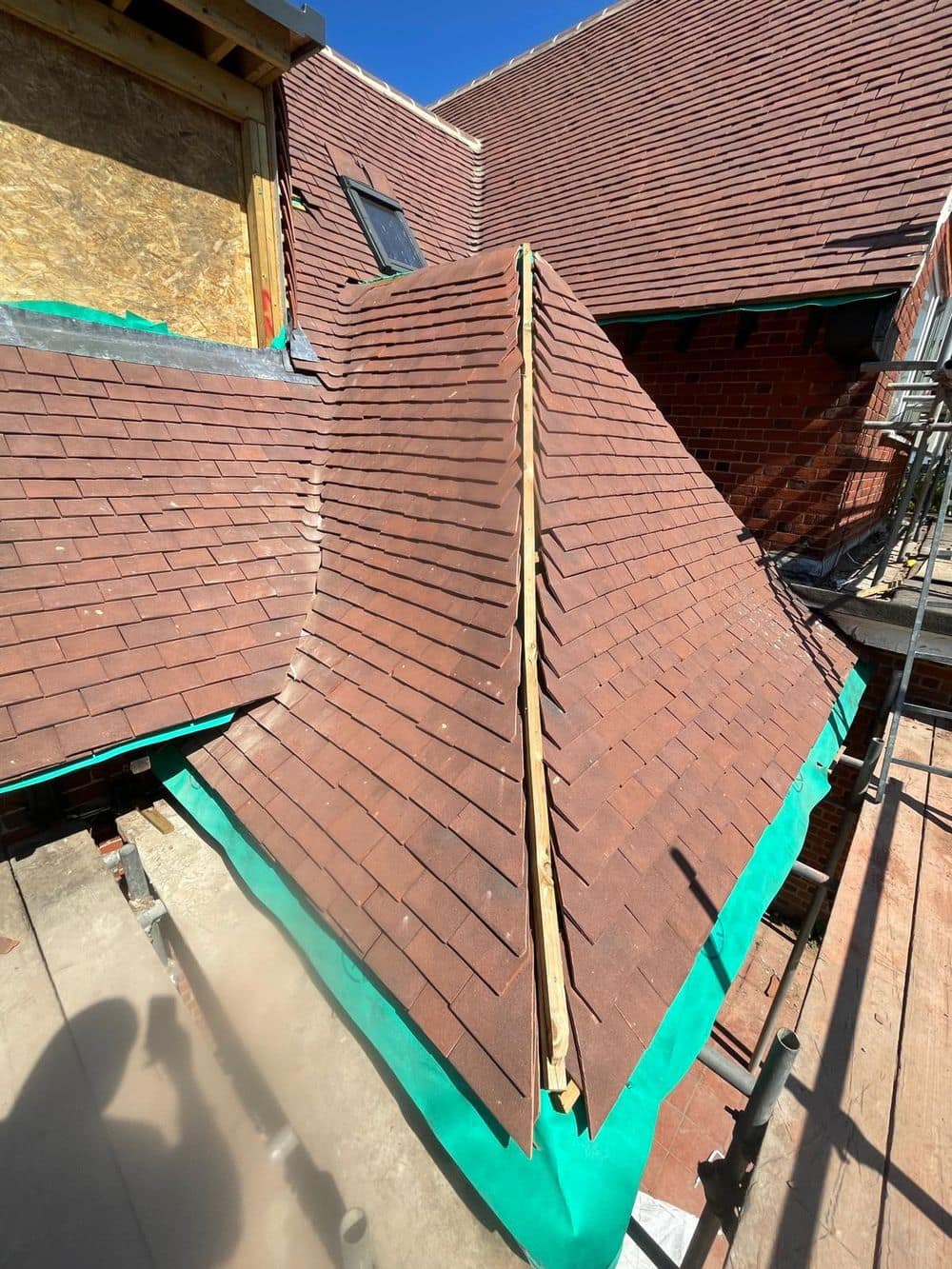
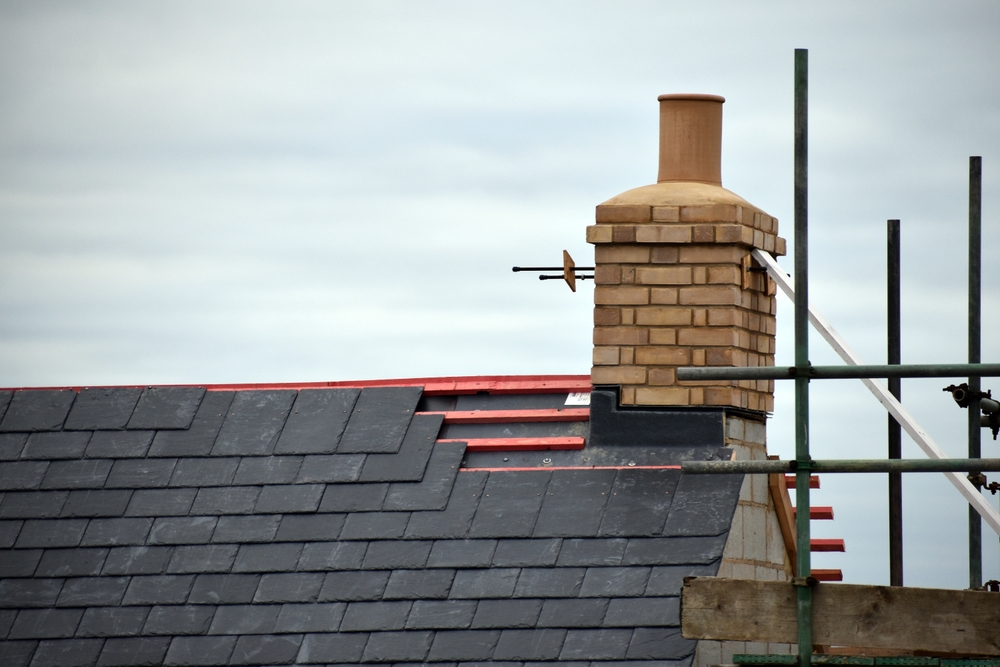
There is something about a slate roof that just looks right on a British home. Whether it is a Victorian terrace in Bedford, a period cottage near Woburn, or a newer build in Dunstable, slate has a way of finishing a property that other materials rarely match. But looks alone do not explain why so many homeowners across Bedfordshire still choose slate when it comes to re-roofing. The real reasons go a lot deeper than that.
It Has Already Proved Itself
One thing that stands out when you spend years working on roofs across the region is how well old slate holds up. On plenty of jobs, we lift tiles that were laid a hundred years ago and find them still solid. The fixings might have gone. The battens might need replacing. But the slate itself? Often fine.
That kind of track record matters to homeowners who want a roof they do not have to think about for decades. Modern alternatives like concrete tiles or fibreglass can look good when new, but slate aged gracefully long before any of those materials existed.
It Suits the Local Climate
Bedfordshire sits in a part of England that gets a fair mix of everything. Cold winters, wet springs, warm summers. Roofing materials take a beating here through freeze and thaw cycles, and not all of them handle it well. Concrete tiles can crack when water gets in and then freezes. Clay can chip. Slate, particularly natural Welsh or Spanish slate, absorbs very little water and shrugs off frost in a way that few materials can match.
For homes in exposed positions around the county, whether on higher ground near Shillington or in areas that catch the wind off the Greensand Ridge, this durability is not a small thing.
Planning Considerations in Bedfordshire
A lot of the older housing stock in this county sits within conservation areas or falls under permitted development restrictions. In those cases, homeowners do not always have a free choice of roofing material. Many local planning departments expect replacement, which means if your home had slate originally, it needs to go back on with slate.
Even outside those restrictions, a slate roof tends to hold or increase a property’s value in a way that cheaper alternatives often do not. Estate agents working in the county regularly note that buyers notice the difference.
Natural Versus Fibre Cement Slate
It is worth mentioning that not everything sold as slate is the same thing. Natural slate is quarried stone. Fibre cement slate is a manufactured product that looks similar but behaves differently over time.
Natural slate, when fitted correctly, can last well over a century. Fibre cement has a shorter lifespan, typically around 30 to 40 years, though it costs less upfront and can still be a reasonable choice on the right property. The decision usually comes down to budget, the age of the building, and what the homeowner is trying to achieve long term.
At Dexters Build Ltd, we work with both and take the time to walk homeowners through the real differences before any work begins. We cover properties across Bedfordshire and understand what works in this county because we have been doing this work here long enough to see what lasts and what does not.
Getting the Installation Right
A good piece of slate on a badly fitted roof will not last. This is the part that often gets overlooked. The quality of the batten spacing, the fixing method, the lap, the detailing around valleys and chimney stacks. All of it matters. A lot of the slate roof failures we investigate turn out to be installation problems rather than material problems.
Proper slate roofing is skilled work. It takes experience to read a roof, identify what needs to come off and what can stay, and lay the new slate so that it performs as it should for the next fifty or more years.
FAQs
How long does a natural slate roof last?
A well-laid natural slate roof can last anywhere from 80 to 150 years, sometimes longer. The fixings and battens will usually need attention before the slate itself does.
Can I replace just part of my slate roof rather than the whole thing?
Yes, in many cases. If the existing slate is in reasonable condition and you are dealing with isolated damage or wear, a partial re-slate or repair is often the right call. We assess each roof individually before recommending anything.
Is slate more expensive than other roofing materials?
The upfront cost is higher than concrete or fibre cement tiles. But when you factor in lifespan and the fact that a quality slate roof rarely needs major work for decades, the long-term cost often works out favourably.
Do I need planning permission to re-slate my roof in Bedfordshire?
Usually not for a straightforward like-for-like replacement. But if your property is listed or within a conservation area, you should check with the local authority first. We can advise on this during an initial visit.
Dexters Build Ltd provides roofing services across Bedfordshire, including Bedford, Luton, Dunstable, Leighton Buzzard, and surrounding areas.