Roofing systems are designed to protect buildings from the elements, but not all roofs are built the same. Residential and commercial roofing differ significantly in terms of design, materials, installation methods, maintenance requirements, and overall costs. Understanding these differences can help property owners make informed decisions when planning roofing projects.
At Dexters Build Ltd, we provide professional roofing solutions for both residential and commercial properties, delivering quality workmanship and reliable results tailored to each building’s specific needs.
Roof Design and Structure
One of the most noticeable differences between residential and commercial roofing is the roof design itself.
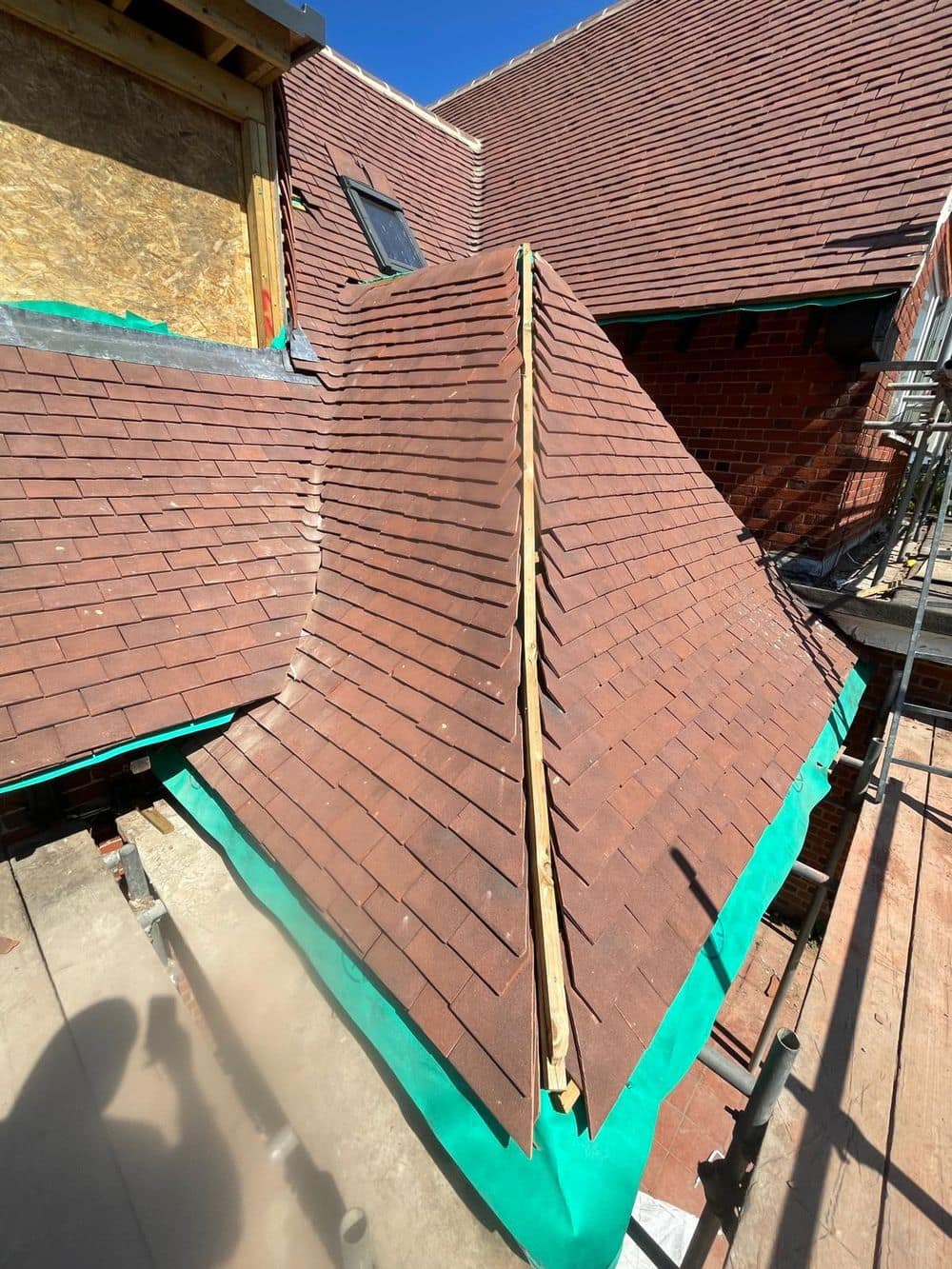
Residential roofs are typically steep-sloped and feature designs such as gable, hip, dormer, or mansard roofs. These roofs are designed to enhance the appearance of the property while efficiently directing rainwater away from the structure.
Commercial roofs, on the other hand, are usually flat or low-sloped. Flat roofing systems provide practical space for HVAC units, solar panels, ventilation systems, and other equipment commonly found on commercial buildings. The larger surface area and different structural requirements make commercial roofing projects more complex than residential installations.
Roofing Materials
The materials used in residential and commercial roofing often vary depending on the building’s purpose and design.
Residential roofing commonly uses:
- Concrete roof tiles
- Clay tiles
- Slate roofing
- Asphalt shingles
- Metal roofing systems
These materials are selected for their durability, weather resistance, and visual appeal.
Commercial roofing systems typically use:
- EPDM rubber roofing
- TPO roofing membranes
- PVC roofing systems
- Built-up roofing (BUR)
- Modified bitumen roofing
- Metal roofing panels
Commercial roofing materials are chosen primarily for performance, energy efficiency, and long-term durability rather than aesthetics.
Installation Process
Residential roof installations are generally more straightforward due to the smaller size of the roof and simpler structural requirements.
Commercial roofing projects often involve larger buildings with extensive roof areas, multiple penetrations, drainage systems, and mechanical equipment. Installation requires specialised knowledge, equipment, and safety procedures to ensure the roofing system performs effectively.
Because of the scale and complexity involved, commercial roofing projects typically take longer to complete and require more detailed planning than residential roofing work.
Maintenance Requirements
Regular maintenance is essential for both residential and commercial roofs, but the maintenance approach differs significantly.
Residential roofs usually require periodic inspections to identify damaged tiles, flashing issues, blocked gutters, or weather-related wear and tear. Homeowners can often spot visible roofing problems from the ground.
Commercial roofs require more frequent inspections due to their flat design and larger surface areas. Water pooling, membrane damage, drainage blockages, and equipment-related issues can quickly develop if not addressed. Preventative maintenance programmes are often recommended for commercial properties to reduce the risk of costly repairs and business disruption.
Lifespan and Durability
The lifespan of a roofing system depends on the materials used, installation quality, weather exposure, and maintenance practices.
Residential roofing materials such as slate and clay tiles can last several decades when properly maintained. Modern metal roofing systems also offer excellent longevity and weather resistance.
Commercial roofing systems vary depending on the membrane type and installation method. High-quality commercial roofing systems can provide many years of reliable performance when supported by regular inspections and maintenance.
Professional installation plays a crucial role in maximising the lifespan of both residential and commercial roofs.
Cost Considerations
Roofing costs differ considerably between residential and commercial projects.
Residential roofing costs are generally influenced by factors such as roof size, pitch, material choice, and accessibility. Homeowners often focus on balancing durability, appearance, and budget when selecting a roofing system.
Commercial roofing projects usually involve higher overall costs due to larger roof areas, specialised materials, complex installation requirements, and additional safety measures. However, commercial property owners often prioritise long-term performance, energy efficiency, and maintenance savings when evaluating roofing investments.
While commercial roofs may require greater initial investment, a properly designed system can provide significant long-term value.
Safety Requirements
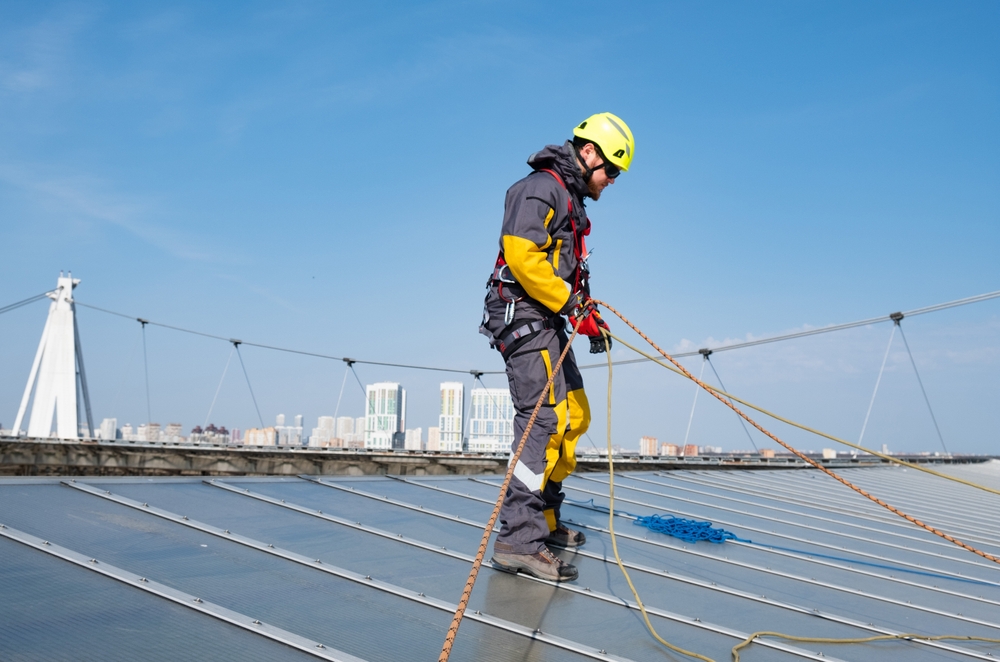
Safety is a critical aspect of all roofing projects. Residential roofing work involves working at height on sloped surfaces, requiring appropriate fall protection and safe working practices.
Commercial roofing projects often involve larger teams, heavier equipment, and more extensive health and safety requirements. Contractors must follow strict safety regulations to protect workers, building occupants, and surrounding properties throughout the project.
Choosing an experienced roofing contractor helps ensure all work is completed safely and to the highest standards.
Choosing the Right Roofing Contractor
Whether you own a home, office building, retail unit, or industrial property, selecting the right roofing contractor is essential. Residential and commercial roofing require different skills, materials, and installation techniques.
Working with a company that understands these differences ensures your roof is designed, installed, and maintained to meet the specific requirements of your property.
FAQs
1. What is the main difference between residential and commercial roofing?
Residential roofing is designed for homes and usually has a pitched roof, while commercial roofing is often flat or low-sloped and built for larger buildings.
2. Are different materials used for residential and commercial roofs?
Yes. Residential roofs commonly use tiles, slate, and shingles, while commercial roofs often use EPDM, TPO, PVC, and other roofing membranes.
3. Which type of roof requires more maintenance?
Commercial roofs generally require more frequent inspections due to their size and flat design, which can be prone to drainage issues.
4. Can Dexters Build Ltd handle both residential and commercial roofing projects?
Yes. Dexters Build Ltd provides professional roofing services for both residential and commercial properties, delivering high-quality workmanship and reliable roofing solutions.
Get in Touch
Need expert roofing services? Contact Dexters Build Ltd today for professional advice and a free quotation. Call 07951 017425 or email info@dextersbuild.co.uk